
Best Time To Visit New Orleans: Month-By-Month Weather Tips
If you’re planning your first trip to New Orleans, you’ve probably heard a lot of conflicting advice: Mardi Gras is too crowded, summer is brutally hot, and hurricane season is risky. It’s easy to get stuck trying to figure out when to actually book.
The truth is, New Orleans feels completely different depending on when you visit. One month, the streets are packed with parades, and a few weeks later, you can stroll into popular spots without waiting at all. The weather swings just as dramatically.
There’s really no single best time for everyone—it comes down to what you want out of the trip, how much you want to spend, and how you feel about heat or crowds. Here’s a breakdown to help you pick the right month for your trip.

Main Take-aways
- March through May is usually the sweet spot for great weather and lots of outdoor events.
- October and November are ideal if you want comfortable temperatures, fewer tourists, and reasonable room rates.
- Mardi Gras and Jazz Fest draw huge crowds and drive prices to a peak, so reserve your hotel several months in advance if you plan to attend.
- Summer (June–August) offers the biggest discounts, but you’ll have to deal with heavy humidity, afternoon rain, and potential tropical storms.
- Families do best in fall, early spring, or the family-friendly stretch of the Mardi Gras parade route on St. Charles Avenue.
Table of contents
- Main Take-aways
- Best Time to Visit New Orleans: The Quick Answer
- New Orleans Seasons at a Glance
- Weather and Climate in New Orleans
- Month-by-Month Breakdown
- Peak Season: When Crowds and Prices Spike
- Shoulder Season: The Sweet Spot
- Off-Season: The Cheapest Time to Visit New Orleans
- Festivals and Events Worth Planning Around
- Best Neighborhoods and Things to Do by Season
- Best Time to Visit New Orleans with Kids
- Hurricane Season in New Orleans: What Travelers Should Know
- Planning Tips for a Smoother New Orleans Trip
- Where to Stay in New Orleans Based on When You Visit
- What to Pack for New Orleans in Every Season
- FAQs About the Best Time to Visit New Orleans
- Laissez les Bons Temps Rouler, Whatever the Calendar Says
Best Time to Visit New Orleans: The Quick Answer
For most travelers, late February through May works out best. Highs sit comfortably in the 70s and low 80s before the summer humidity sets in, and major events are in full swing. If you’d rather avoid big crowds, target October or early November instead.
Different travelers will land in different months. Use this to find your match.
| If You Want… | Go In… |
| The best weather overall | Mid-March to early May, or October |
| The lowest prices | July, August, and early December |
| The biggest party | Carnival season, peaking on Mardi Gras day |
| Live music above all else | Late April to early May for Jazz Fest |
| A quieter, local feel | Early November or mid-January |
| Holiday charm | December, for lights and Réveillon dinners |
| A family trip | October, November, or March |
New Orleans Seasons at a Glance
Each season in New Orleans has a distinct personality. Here’s what each one feels like on the ground.
- 🌸 Spring (March to May): Outdoor dining fills up, street music is everywhere, and the weather is ideal. Hotel prices go up as spring progresses, especially around festival dates.
- ☀️ ☀️ Summer (June to August): It gets hot and sticky, so things slow down quite a bit. You can land great hotel deals, though you should expect quick downpours most afternoons.
- 🍂 Fall (September to November): September is still pretty hot, but by October, things finally start cooling down. It’s a great time to visit, with Halloween events, weekend food festivals, and crisp evenings that are perfect for walking around.
- ❄️ Winter (December to February): Temps stay mostly mild, though cold snaps happen. December is relatively quiet and festive, while January starts the buildup toward Mardi Gras in February.

Weather and Climate in New Orleans
New Orleans weather boils down to long, humid summers and short winters. Keep in mind that humidity makes cold days feel chillier and warm days feel hotter than the thermometer suggests.
Summer rain usually comes as fast afternoon thunderstorms that blow through quickly. Winter rain is more of a steady drizzle. October is historically the driest month, while June gets the most rainfall.
Here are typical conditions by month, based on long-term averages.
| Month | Average High / Low and Rainfall |
| January | 62°F / 45°F, about 5 inches of rain |
| February | 66°F / 48°F, about 5 inches |
| March | 72°F / 54°F, about 4.5 inches |
| April | 78°F / 60°F, about 4.5 inches |
| May | 85°F / 67°F, about 4.5 inches |
| June | 89°F / 73°F, about 8 inches |
| July | 91°F / 75°F, about 6 inches |
| August | 91°F / 75°F, about 6.5 inches |
| September | 88°F / 72°F, about 5 inches |
| October | 80°F / 62°F, about 3.5 inches |
| November | 71°F / 53°F, about 4 inches |
| December | 64°F / 47°F, about 4.5 inches |
October is the driest month of the year. June is the wettest.
Month-by-Month Breakdown
January
January gets off to a quiet start right after the holidays, but everything changes on the 6th when Carnival officially kicks off. Suddenly, king cakes are everywhere. You’ll still find reasonable hotel rates and manageable crowds for most of the month. Verdict: A great choice if you’re watching your budget but still want a taste of the Mardi Gras spirit.
February
February is usually the most crowded month of the year when Mardi Gras falls within it. Parades roll nearly every night in the final two weeks. If Fat Tuesday falls in early March, February becomes a buildup rather than a peak. Verdict: Go to the party and book early.

March
March brings ideal walking weather and a packed but manageable calendar. St. Patrick’s Day and St. Joseph’s Day traditions fill neighborhoods with parades and altars. Verdict: One of the best months of the year.
April
April shows off the absolute best of New Orleans. The weather is fantastic for sitting outside, and you’ll hear live music everywhere you turn. Keep in mind that Jazz Fest starts during the last weekend of the month, which drives up hotel prices fast. Verdict: Plan for early April if you want ideal weather without the massive festival crowds.

May
Early May finishes Jazz Fest, then the city exhales. Heat builds by late May, but evenings stay pleasant. Verdict: Mid-May is a quiet sweet spot before summer arrives.
June
June is the wettest month and the start of hurricane season. Crowds thin and deals appear. Verdict: Good for flexible travelers who love food and don’t mind sweat.
July
July brings peak heat and the city’s best hotel bargains. Many restaurants run summer specials for locals. Verdict: Cheap, hot, and fun if you plan indoor afternoons.
August
August is just as hot as July, with a higher chance of rain and storms. On the plus side, the Warehouse District comes alive with art events all month. Verdict: It’s the cheapest time to visit if you don’t mind dodging hot weather and rain.
September
September stays hot and sits at the peak of hurricane season. Crowds are among the lowest of the year. Verdict: Only for flexible, deal-focused travelers with travel insurance.
October
October brings the first true relief from humidity, plus spooky tours and Halloween energy. Verdict: A top-three month to visit.
November
November is comfortable, festive, and less crowded than spring. Thanksgiving week marks the start of the horse racing season at the Fair Grounds. Verdict: Excellent for food lovers and first-timers.
December
December brings crisp, quiet days and beautiful holiday decorations throughout the city. Room rates drop during the first couple of weeks, then pick back up for New Year’s Eve and the Sugar Bowl. Verdict: A cozy, underrated time to visit.
Peak Season: When Crowds and Prices Spike
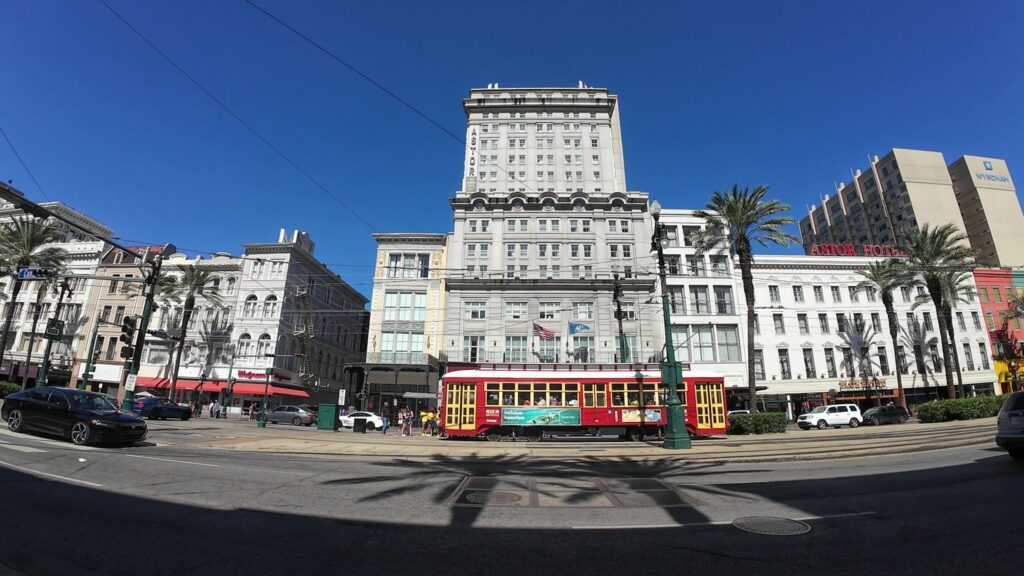
Peak season spans from late January through early May. The absolute busiest stretches are the main weekend of Mardi Gras and the two weekends of Jazz Fest in spring.
During these peaks, expect the following:
- Hotel rates that can double or triple compared to normal weekends
- Minimum-stay requirements of three to five nights at many hotels
- Short-term rentals booked out months in advance
- Restaurant reservations are filling up weeks ahead
- Rideshare surge pricing and slow traffic near parade routes and the Fairgrounds
Keep an eye out for major sporting events or large conventions at the Superdome, as those can drive hotel prices up unexpectedly, even outside festival season.
Shoulder Season: The Sweet Spot
If you want a good balance of reasonable prices and comfortable weather, look at mid-May through early June, or October through mid-November.
October is particularly good: humidity drops, rainfall is low, and hotels cost significantly less than during peak spring dates.
What makes shoulder season worth it:
Easier reservations. You can often book tables at top restaurants like Commander’s Palace or Galatoire’s with a week or two’s notice.
Better hotel value. Rates typically land between summer lows and spring highs, and you’ll have more choice in neighborhoods.
A more local experience. Fewer tourist crowds mean more room on Frenchmen Street, shorter lines at Café du Monde, and bartenders with time to talk.
Comfortable walking weather. New Orleans is best explored on foot, and shoulder months make full days outdoors realistic.
Off-Season: The Cheapest Time to Visit New Orleans
July and August are the cheapest months to visit, followed by June, September, and early December. French Quarter hotels often drop prices by half compared to spring rates.
You’ll also find dining deals like COOLinary New Orleans during late summer, where top restaurants offer fixed-price menus at lower rates.
To make an off-season trip work, plan your days around the heat:
- Morning: Walk the French Quarter, Garden District, or City Park before 11 a.m.
- Midday: Head indoors to the National WWII Museum or the New Orleans Museum of Art, or for a long lunch.
- Afternoon: Expect a storm. Rest at your hotel, swim, or duck into a bar.
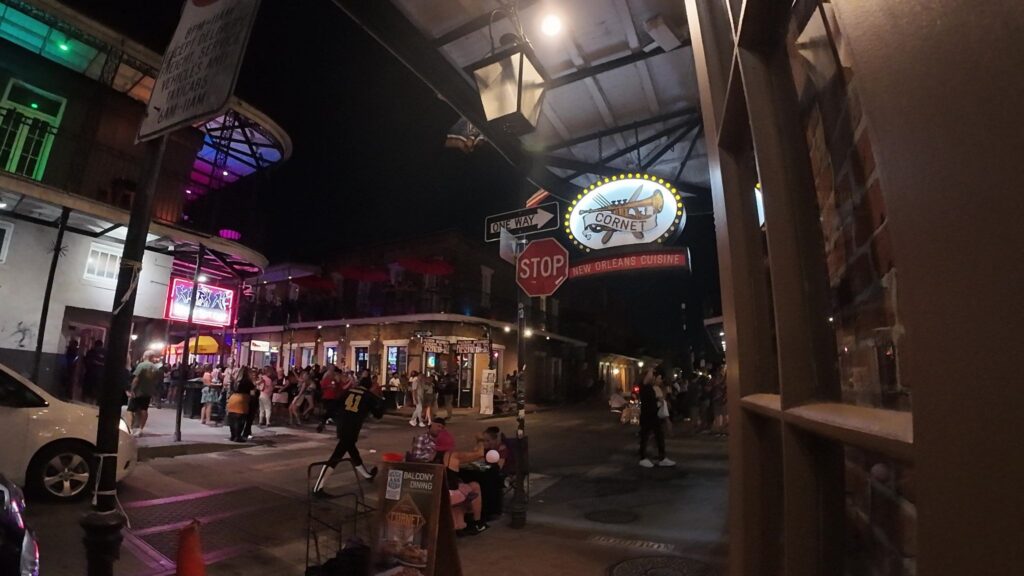
- Evening: Go back out after sunset when the city cools slightly and music picks up.
Early December is the hidden off-season gem. The weather is mild, the city is decorated, and prices stay low until the holiday rush.
Festivals and Events Worth Planning Around
New Orleans runs on festivals throughout the year. Here are a few key ones that draw visitors from all over.
| Festival | Why It’s Worth the Trip |
| Mardi Gras (Carnival season, January to February or March) | Weeks of parades, costumes, and krewe traditions found nowhere else in the US. The date shifts yearly; in 2026, Fat Tuesday falls on February 17. |
| French Quarter Festival (April) | Hundreds of local musicians across free stages, with food booths from top restaurants. Great value and a very local crowd. |
| New Orleans Jazz & Heritage Festival (late April to early May) | Two weekends of jazz, blues, gospel, funk, and global acts at the Fair Grounds Race Course, plus legendary festival food like crawfish Monica. |
| Super Sunday (March) | Mardi Gras Indians parade in hand-sewn suits on the Sunday nearest St. Joseph’s Day. A powerful cultural tradition. |
| Essence Festival of Culture (Fourth of July weekend) | A major celebration of Black music and culture, with concerts at the Superdome. |
| Satchmo SummerFest (early August) | A tribute to Louis Armstrong with brass bands and seminars in the French Quarter. |
| Halloween (October) | Costumed crowds, ghost tours, and the Krewe of Boo parade make it a second Mardi Gras. |
| Celebration in the Oaks (late November to early January) | City Park’s giant oak trees glow with holiday lights. |
Planning tip: For any festival weekend, book lodging as soon as dates are announced. For Mardi Gras and Jazz Fest, that often means planning six months or more in advance.

Best Neighborhoods and Things to Do by Season
Each New Orleans neighborhood shines at a different time of year. Matching your plans to the season makes a big difference.
Spring: Garden District and Uptown
Spring is perfect for strolling under the oaks on St. Charles Avenue, riding the streetcar, and touring historic mansions. Shop and snack your way along Magazine Street, then visit Lafayette Cemetery No. 1. Crawfish boils peak in spring, so look for crawfish on every bar menu.
Summer: Warehouse and Arts District
Summer calls for air conditioning. The Warehouse District packs museums close together, including the National WWII Museum, the Ogden Museum of Southern Art, and the Contemporary Arts Center. Pair them with long lunches downtown.
Fall: Marigny, Bywater, and Mid-City
Cooler nights bring people back outside. Catch live music on Frenchmen Street, explore Bywater’s murals and Crescent Park along the river, and paddle Bayou St. John. City Park is gorgeous in the fall for biking and picnics.
Winter: French Quarter and Tremé
Mild winter days are ideal for the French Quarter’s walking tours, Jackson Square, and long dinners at classic Creole restaurants. In December, try a Réveillon dinner, a holiday tradition revived by local restaurants. In Tremé, visit the Backstreet Cultural Museum and Congo Square to understand the roots of the city’s music.

Best Time to Visit New Orleans with Kids
The best time to visit New Orleans with kids is October, November, or March. Mild weather keeps little ones comfortable outdoors, and crowds stay manageable. These months also skip the late-night party energy of peak festival weekends.
Top family stops that work year-round:
- Audubon Zoo in Uptown, reached by the St. Charles streetcar
- Audubon Aquarium and Insectarium along the riverfront
- Louisiana Children’s Museum in City Park
- Storyland and Carousel Gardens, also in City Park
- Mardi Gras World, where kids can see giant parade floats being built
- A riverboat cruise on the Steamboat Natchez

Can you bring kids to Mardi Gras? Yes. Many local families do. The key is choosing the right spot. The Uptown stretch of St. Charles Avenue, well away from Canal Street and Bourbon Street, has a strong family atmosphere. Locals set up ladder seats for kids, bring coolers, and claim spots early. Daytime parades on the final weekend are the easiest for young children.
What to skip with kids: Bourbon Street at night year-round, and summer trips with toddlers unless your hotel has a pool.
Hurricane Season in New Orleans: What Travelers Should Know
Atlantic hurricane season runs from June 1 to November 30. The highest risk for New Orleans falls between mid-August and early October, with activity typically peaking around early to mid-September.
Most summer and fall days pass without any threat of storms. Still, a direct hit or near miss can disrupt flights, close attractions, and trigger evacuation orders. Hurricanes are tracked days in advance, so travelers usually get plenty of warning.
How to travel smart during hurricane season:
Buy travel insurance early. Policies usually won’t cover a storm once it has been named, so purchase coverage when you book.
Choose flexible bookings. Refundable hotel rates and airlines with free changes protect you if a storm forms.
Watch the tropics. Check the National Hurricane Center forecasts starting about a week before departure.
Sign up for local alerts. NOLA Ready, the city’s emergency alert system, sends official updates by text.
Know the realistic risk. June and July carry lower storm risk than September. If you want summer prices with less worry, early summer is the safer bet.
Planning Tips for a Smoother New Orleans Trip
A little strategy goes a long way in New Orleans. These tips apply no matter which month you pick.
- Book flights to MSY early for peak dates. Louis Armstrong New Orleans International Airport fares climb quickly for Mardi Gras and Jazz Fest.
- Skip the rental car. Parking is expensive and limited in the French Quarter. Streetcars, walking, and rideshares cover most of what you’ll want to see.
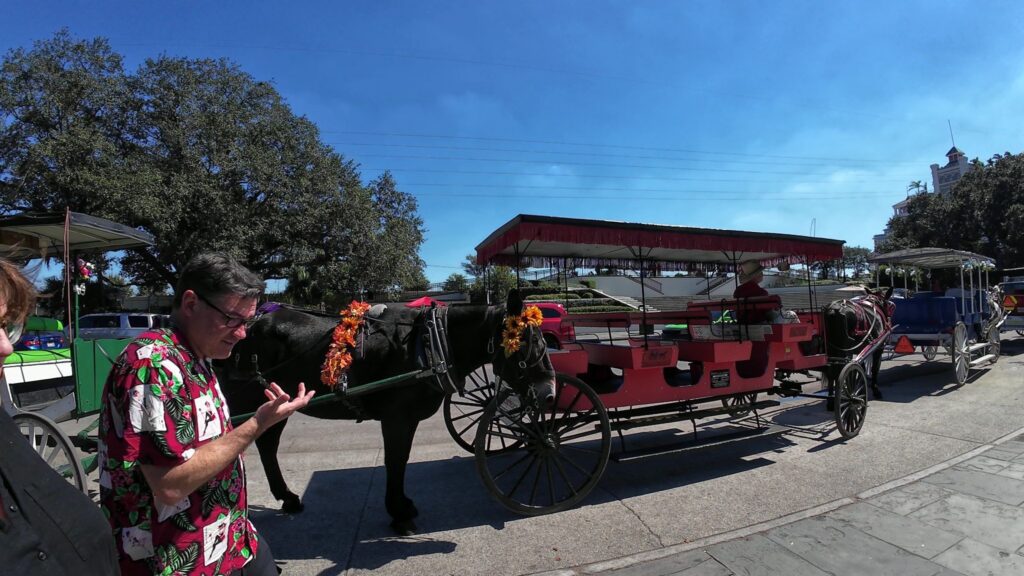
- Buy a Jazzy Pass. The RTA’s multi-day pass covers unlimited streetcar and bus rides and is available through the Le Pass app.
- Make dinner reservations for big-name restaurants. Even in the off-season, popular spots fill up on weekends.
- Check the parade schedule before booking. During Carnival, parade routes can block streets and slow down crossing town.
- Carry cash. Some bars, food trucks, and second-line vendors still prefer it.
- Use go-cups wisely. You can carry drinks in plastic cups on the street, but glass containers are banned.
- Visit midweek when you can. Sunday-through-Thursday stays often cost far less than weekend stays in every season.
Where to Stay in New Orleans Based on When You Visit
Your travel dates should shape your neighborhood choice. The best area in July might be the worst area during Mardi Gras.
| Neighborhood | Best Time to Stay There |
| French Quarter | Shoulder and off-season, when you can enjoy walkability without nonstop noise. During Mardi Gras, choose the quieter lower Quarter near Esplanade Avenue. |
| Central Business District | Mardi Gras and conventions. Large hotels, easy streetcar access, and quick walks to Canal Street parades. |
| Warehouse and Arts District | Summer, thanks to nearby air-conditioned museums and modern hotels with pools. |
| Garden District and Uptown | Mardi Gras with kids, since major parades roll down St. Charles Avenue. Also lovely in spring. |
| Marigny | Fall and Jazz Fest season for music lovers who want Frenchmen Street at their doorstep. |
| Mid-City | Jazz Fest, because the Fairgrounds is walkable or a short ride away. |
Booking tip: In peak season, look at hotels in the CBD before ruling out a trip. They often have more inventory and lower rates than boutiques in the French Quarter.
What to Pack for New Orleans in Every Season
Packing for New Orleans comes down to heat, humidity, rain, and walking. These essentials will cover you in any month.
- Comfortable walking shoes: Sidewalks are uneven, cracked, and lifted by tree roots. Leave flimsy sandals at home.
- A compact umbrella: Rain can arrive suddenly in any season, especially on summer afternoons.
- Sunscreen and bug spray: Mosquitoes are active from spring through fall, particularly near City Park and the bayou.
- Breathable summer fabrics: Linen and cotton beat polyester in July humidity. Pack an extra shirt for each day.
- A light jacket or sweater: Indoor air conditioning runs cold in summer, and winter evenings can dip into the 40s.
- A costume or something festive: Locals dress up for Mardi Gras, Halloween, and plenty of random weekends. You’ll fit in better.
- A small crossbody bag keeps your hands free for parade throws and go-cups while keeping your belongings secure in crowds.
- One dressy outfit: Classic spots like Galatoire’s and Arnaud’s expect men to wear jackets for dinner.
FAQs About the Best Time to Visit New Orleans
What is the best month to visit New Orleans?
April is the best month for most visitors, with warm weather, blooming gardens, and festivals like French Quarter Fest. For fewer crowds and lower prices, October is a close second.
What is the worst time to visit New Orleans?
For most people, August and September are the hardest months. Heat, humidity, and peak hurricane risk combine. Budget travelers who handle heat well may still find great value.
How many days do you need in New Orleans?
You can stay busy for a week with all the things to do in or around New Orleans. It can take three to four days to cover the French Quarter, Garden District, a museum or two, and a few great meals. You will want to add a day or two to experience a swamp tour, plantation visit, or festival.
Is New Orleans expensive during Mardi Gras?
Yes. During Mardi Gras, hotel prices are extremely high compared to normal. Many properties also require multi-night minimums. Parades themselves are free to attend. With that in mind, your costs will mostly depend on lodging and dining
Is it safe to visit New Orleans during hurricane season?
Generally, yes, with planning. Most days are storm-free, and forecasts give days of warning. Buy travel insurance at the time of booking, and stay flexible during late August and September, when hurricanes or tropical systems are more frequent in the New Orleans area.
When is crawfish season in New Orleans?
Crawfish season typically runs from about January through June, with the best size and prices in March, April, and May.
Does it ever get cold in New Orleans?
Occasionally. Winter cold fronts can push nighttime temperatures into the 30s, though freezing weather rarely lasts more than a day or two.
Laissez les Bons Temps Rouler, Whatever the Calendar Says
Every season brings something different to New Orleans. Spring gives you great festival weather, fall offers comfortable temperatures with fewer crowds, summer brings big travel savings, and winter has a charm all its own.
Pick the dates that fit your budget and style, book your spot, and enjoy the trip.

